

Introduction
For Outdoors Gear Guide, this article focuses on family camping tents with practical comparisons of space, weather protection, materials, setup, and portability. The five options below cover different family sizes and camping styles, from affordable dome tents to larger cabin-style shelters.
A key point for family buyers: a tent advertised for six people may fit six sleeping bags, but leave limited room for luggage and movement. Consider choosing a tent with extra capacity for a more comfortable trip.
Quick Comparison: Best Camping Tents for Families
| Tent | Best for | Main advantage | Potential limitation |
|---|---|---|---|
| Coleman Skydome 6-Person | Small families | Practical dome design | Limited room for bulky luggage |
| Coleman Skylodge 6-Person Instant Tent | Families wanting easier setup | Pre-attached poles and two doors | Relatively heavy to carry |
| The North Face Wawona 6 | Family car camping | Spacious interior and vestibule storage | Less suitable for long-distance backpacking |
| REI Co-op Base Camp 6 | Families camping in variable weather | Dome structure and weather-focused design | Bulkier than a small backpacking tent |
| CORE 9-Person Instant Cabin Tent | Larger families | Generous floor space and standing room | Large packed size and weight |
These models serve different family needs. The best choice depends on how many people are sleeping inside, how much luggage you bring, and whether easy setup or weather protection matters most. Check current availability and exact specifications before buying.
How We Chose the Best Family Camping Tents
We selected these tents to represent different family sizes, budgets, and camping styles. The comparison focuses on the following factors:
1. Interior space
We considered the stated sleeping capacity, floor area, headroom, and whether there is space for luggage. Families often benefit from choosing a tent rated for more people than their household size.
2. Setup and portability
We considered conventional pole designs and instant tents with pre-attached poles. We also considered packed weight and whether the tent is practical for car camping or longer walks to a campsite.
3. Materials and construction
Tent fabrics, poles, seams, zippers, and floor construction all influence durability. Buyers should verify the exact model’s materials and follow the manufacturer’s care instructions.
4. Weather protection
We considered rainfly coverage, seam construction, ventilation, and the manufacturer’s stated weather-related features. No tent should be assumed to withstand every storm or extreme condition.
5. Storage and comfort
Vestibules, interior pockets, room dividers, and multiple doors can make family camping more convenient by keeping luggage organized and improving access.
6. Value and intended use
We considered whether each tent’s design suits its intended users, from smaller families to larger groups. This is a product-information comparison, not a claim that we personally field-tested all five tents.
Before buying, confirm the exact model, dimensions, packed weight, included accessories, current price, and recent customer feedback.
1. Coleman Skydome 6-Person Tent
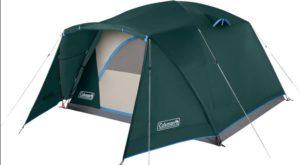
The Coleman Skydome 6-Person Tent is a dome-style shelter worth considering for families who want a practical tent for campground trips and outdoor weekends. Its familiar shape makes it a straightforward option for people who prefer a conventional tent rather than a large cabin-style shelter.
Key features
- Six-person advertised capacity
- Dome-style structure
- Weather-resistant design features, depending on the version
- Interior space for sleeping equipment and personal belongings
- Carry bag for storage and transportation
Carrying comfort and portability
The tent packs into a carry bag, making it practical for transport in a vehicle. However, a family-sized tent is generally heavier and bulkier than a backpacking tent, so it is best suited to car camping or short walks to the campsite.
Storage and interior space
The interior accommodates sleeping equipment, but a six-person rating does not mean six people will have plenty of room for luggage. A smaller family can benefit from the additional space, especially when carrying bedding and bags.
Materials and weather protection
Check the exact version for its fabric, rainfly coverage, floor construction, and seam design. Use a suitable groundsheet when recommended by the manufacturer, and pitch the tent according to its instructions.
Pros
- Practical design for family camping
- Suitable for weekend trips
- Relatively simple tent layout
- Extra rated capacity can provide more sleeping flexibility
Cons
- Limited room for bulky luggage when fully occupied
- Less convenient for long-distance carrying
- Weather protection depends on the specific version and proper setup
Verdict
The Coleman Skydome 6-Person Tent is worth comparing if you need a conventional tent for a small family. Check the floor dimensions and plan for extra room if you intend to store luggage inside.
2. Coleman Skylodge 6-Person Instant Camping Tent
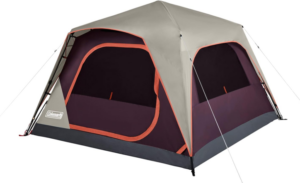
The Coleman Skylodge 6-Person Instant Camping Tent is designed for campers who value a straightforward pitching process. Its pre-attached pole system reduces the number of separate frame components that need to be assembled, which can be helpful when setting up camp with children.
The specified model features two doors, interior storage pockets, and a WeatherTec system designed to help protect against rain.
Key features
- Six-person advertised capacity
- Pre-attached poles for easier setup
- Two wide doors
- Interior mesh storage pockets
- WeatherTec features, including welded corners and taped seams on the specified version
- Carry bag for packing away
Carrying comfort and portability
Its instant-style frame makes setup more convenient, but the tent is relatively heavy compared with compact backpacking shelters. It is best suited to vehicle-based family camping rather than trips that require carrying equipment over long distances.
Storage and interior space
The tent has a stated floor area of approximately 90 square feet. The two-door layout helps campers move in and out, while interior pockets provide places for smaller belongings.
Materials and weather protection
The manufacturer lists weather-focused seam construction and a frame tested for wind conditions on this model. These specifications should not be interpreted as a guarantee of safety in severe weather.
Pros
- Pre-attached poles simplify pitching
- Two doors improve access
- Interior pockets help organize small items
- Useful for family campground trips
Cons
- Relatively bulky when packed
- May be too heavy for backpacking
- The six-person rating leaves limited personal space when everyone brings luggage
Verdict
The Coleman Skylodge is worth considering if ease of setup is a priority. Check the packed dimensions, total weight, and current model specifications before purchasing.
3. The North Face Wawona 6 Tent Review
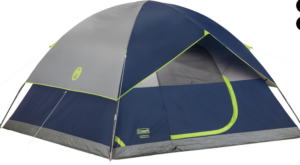
The The North Face Wawona 6 is a family camping tent designed for outdoor trips where space and equipment organization matter. Its extended vestibule provides a useful area for storing selected gear outside the main sleeping compartment.
Key features
- Six-person advertised capacity
- Extended vestibule for gear storage
- Spacious interior for family car camping
- Multiple access and ventilation features, depending on the version
- Packable design for transporting camping equipment
Carrying comfort and portability
The Wawona 6 is primarily suited to car camping and campsites with relatively short walks from the vehicle. Its packed size and weight make it less practical for families who need to carry all their gear over long distances.
Storage and interior space
The vestibule is a useful feature because it provides extra space for suitable gear without requiring everything to be stored in the sleeping area. The actual usable sleeping space will depend on the number of campers, sleeping mats, and bags.
Materials and weather protection
Check the manufacturer’s specifications for the current version’s fabric, frame, rainfly coverage, and ventilation. Correct pitching and suitable site selection are important for reliable shelter.
Pros
- Vestibule provides additional gear storage
- Suitable for family car camping
- Useful separation between sleeping space and selected equipment
- Designed for multi-person camping trips
Cons
- Bulkier than a small backpacking tent
- May be more than a small family needs
- The vestibule does not replace a dedicated dry storage container for moisture-sensitive items
Verdict
The Wawona 6 is worth comparing if your family wants a tent with a dedicated area for organizing camping equipment. Check the current version’s packed dimensions and floor plan to make sure it fits your camping setup.
4. REI Co-op Base Camp 6 Tent
The REI Co-op Base Camp 6 is a dome-style tent designed for car camping and multi-person outdoor trips. Its frame structure and weather-focused construction make it an option for families who want a shelter designed with changing outdoor conditions in mind.
Key features
- Six-person advertised capacity
- Dome-style frame
- Rainfly and weather-protection features
- Ventilation and storage features
- Design intended for car camping
Carrying comfort and portability
The Base Camp 6 is a full-size family tent rather than a lightweight backpacking shelter. It is more appropriate for transporting in a vehicle or carrying a short distance to a campsite.
Storage and interior space
The interior is designed to accommodate a group, but families should plan the floor layout before departure. Sleeping pads, duffel bags, and other equipment all take up space, so the rated capacity alone does not tell the whole story.
Materials and weather protection
Its dome structure and weather-focused design are worth considering for families who camp in varied conditions. However, no tent is suitable for every storm, and proper anchoring, ventilation, and campsite selection remain important.
Pros
- Designed for family car camping
- Dome structure offers a practical shelter layout
- Weather-focused features
- Suitable for groups who need a full-size tent
Cons
- Bulky for long-distance carrying
- May cost more than entry-level family tents
- Interior space must be planned around luggage and sleeping equipment
Verdict
The REI Co-op Base Camp 6 is worth comparing if your priority is a family shelter with a weather-focused design. Check the latest model details, availability, and packed weight before deciding.
5. CORE 9-Person Instant Cabin Tent Review
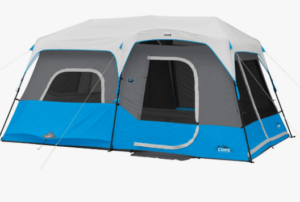
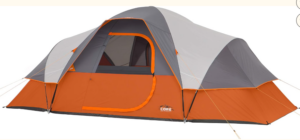
The CORE 9-Person Instant Cabin Tent is a large cabin-style shelter intended for family trips and group camping. Its generous advertised capacity and cabin design make it worth considering when standing room and a more spacious interior are important.
Key features
- Nine-person advertised capacity
- Instant-style setup system
- Cabin-style design with generous headroom
- Large interior for sleeping equipment and belongings
- Room divider on specified versions
Carrying comfort and portability
A tent of this size is designed primarily for car camping. Its packed weight and dimensions can make it inconvenient to transport on foot over long distances, especially when combined with other family camping gear.
Storage and interior space
The larger floor plan can provide more room for sleeping equipment and personal belongings than a smaller family tent. A room divider, where included, can help separate sleeping areas or create additional privacy.
Even with a nine-person rating, confirm the exact dimensions and plan the interior according to your family’s needs.
Materials and weather protection
Review the exact model’s fabric, frame, rainfly coverage, seams, and ventilation features. A large cabin tent should be pitched securely and used according to the manufacturer’s weather guidance.
Pros
- Generous advertised capacity
- Cabin-style headroom
- Potential for separate sleeping areas
- Suitable for family car camping and larger groups
Cons
- Large packed size
- Less convenient for carrying long distances
- Requires sufficient campsite space
- More fabric and frame components to manage than a compact tent
Verdict
The CORE 9-Person Instant Cabin Tent is worth comparing if your family needs extra space and prefers a cabin-style layout. Confirm whether the exact model includes a room divider and check its packed dimensions before purchasing.
Buying Guide: How to Choose the Best Family Camping Tent
Choosing the right family tent means balancing sleeping space, setup time, weather protection, materials, and portability.
1. Choose the right tent capacity
Tent capacity ratings usually describe how many people can sleep inside with limited extra space. For a family of four, a six-person tent may provide more room for sleeping equipment and luggage. Larger families may prefer an eight- or nine-person model.
Consider the ages of the campers, sleeping arrangements, and how much equipment you intend to keep inside.
2. Check the floor area and headroom
A tent’s advertised capacity is only one part of the decision. Compare the floor dimensions, peak height, door layout, and interior shape.
Cabin-style tents generally emphasize vertical space, while dome tents use a curved frame. Choose the layout that makes it easiest for your family to sleep and move around comfortably.
3. Consider setup time
Instant tents with pre-attached poles can simplify setup, particularly for families arriving at a campsite late in the day. Conventional tents may require more assembly but can offer different designs and packing options.
Practice pitching your tent at home before your trip so you understand the frame, rainfly, and anchoring system.
4. Examine materials and weather protection
Compare the tent fabric, pole construction, floor material, rainfly coverage, and seam design. Follow the manufacturer’s guidance on waterproofing and care.
Pitch the tent on a suitable site, use the correct stakes and guylines, and avoid exposed locations during severe weather. Never rely on a tent as protection from dangerous storms.
5. Plan for storage
Look for vestibules, interior pockets, room dividers, and multiple doors. These features can help keep bags and small accessories organized.
Keep wet footwear and muddy equipment away from bedding where possible. Store food according to local wildlife-safety guidance rather than leaving it loose inside the sleeping area.
6. Consider portability
For car camping, a heavier tent with more interior room may be practical. If you must walk a long distance to the campsite, packed weight and dimensions become more important.
Check whether the packed tent will fit in your vehicle alongside sleeping bags, chairs, cooking equipment, and other supplies.
7. Compare value, not just price
Check the current price, included accessories, warranty, recent customer reviews, and return conditions. A lower-priced tent may meet your needs, while frequent family campers may prefer investing in a model with features suited to their conditions.
Final recommendation
For a smaller family, compare the Coleman Skydome 6. If easier setup matters, consider the Coleman Skylodge 6. Families needing vestibule storage may prefer to investigate the Wawona 6, while the REI Co-op Base Camp 6 is worth comparing for weather-focused design. Larger families can consider the CORE 9-Person Instant Cabin Tent.
Always verify the exact model specifications and choose according to your family size, destination, and camping style.
FAQs About Family Camping Tents
1. What size tent is best for a family of four?
A six-person tent is often a practical starting point for a family of four because it can provide additional space for sleeping equipment and luggage. Compare floor area and layout rather than relying on the capacity label alone.
2. Are instant camping tents worth buying for families?
They can be worthwhile if you value faster, simpler setup. Pre-attached poles reduce the number of separate components to assemble, although the tent may still be bulky or heavy to carry.
3. Which is better for family camping: a dome tent or a cabin tent?
Dome tents have a curved structure, while cabin tents generally emphasize vertical walls and headroom. A cabin tent may feel more spacious inside, but the best choice depends on the model’s frame, floor plan, weather specifications, and packed size.
4. How can I keep a family camping tent dry?
Choose a suitable campsite, pitch the tent correctly, secure the rainfly, and follow the manufacturer’s instructions. Use a properly sized groundsheet if recommended, and maintain ventilation to help manage condensation. No tent is guaranteed to stay dry in every weather condition.
5. What should I check before buying a family camping tent on Amazon?
Check the exact model, sleeping capacity, floor area, peak height, packed weight, materials, weather-protection features, included accessories, current price, and recent customer reviews. Also confirm that the tent suits your family size and the conditions where you plan to camp.
Conclusion: Which Family Camping Tent Should You Choose?
The best family camping tent in 2026 depends on your family size, preferred camping style, and the conditions you expect to encounter.
The Coleman Skydome 6 is worth considering for conventional family camping, while the Coleman Skylodge 6 offers an instant-style setup. The North Face Wawona 6 provides a vestibule-focused design, the REI Co-op Base Camp 6 is an option for families prioritizing weather-focused construction, and the CORE 9-Person Instant Cabin Tent offers more space for larger groups.
Before purchasing, compare floor dimensions, headroom, setup requirements, materials, weather protection, and packed weight. Remember that a larger tent may improve comfort but can also require more campsite space and be harder to transport.
Choose a tent that gives your family enough room to sleep comfortably, organize essential gear, and enjoy time outdoors.
Explore more camping gear reviews and outdoor product comparisons at Outdoors Gear Guide:
Affiliate Disclosure
Outdoors Gear Guide may participate in the Amazon Associates Program and other affiliate marketing programs. This means we may earn a commission from qualifying purchases made through certain links, at no additional cost to you.
Our goal is to help readers compare camping equipment and make informed purchasing decisions. Affiliate relationships do not guarantee that a product will be suitable for every camper.
Product specifications, prices, availability, and included accessories can change. Always verify the details on the retailer’s product page before ordering.