
Introduction
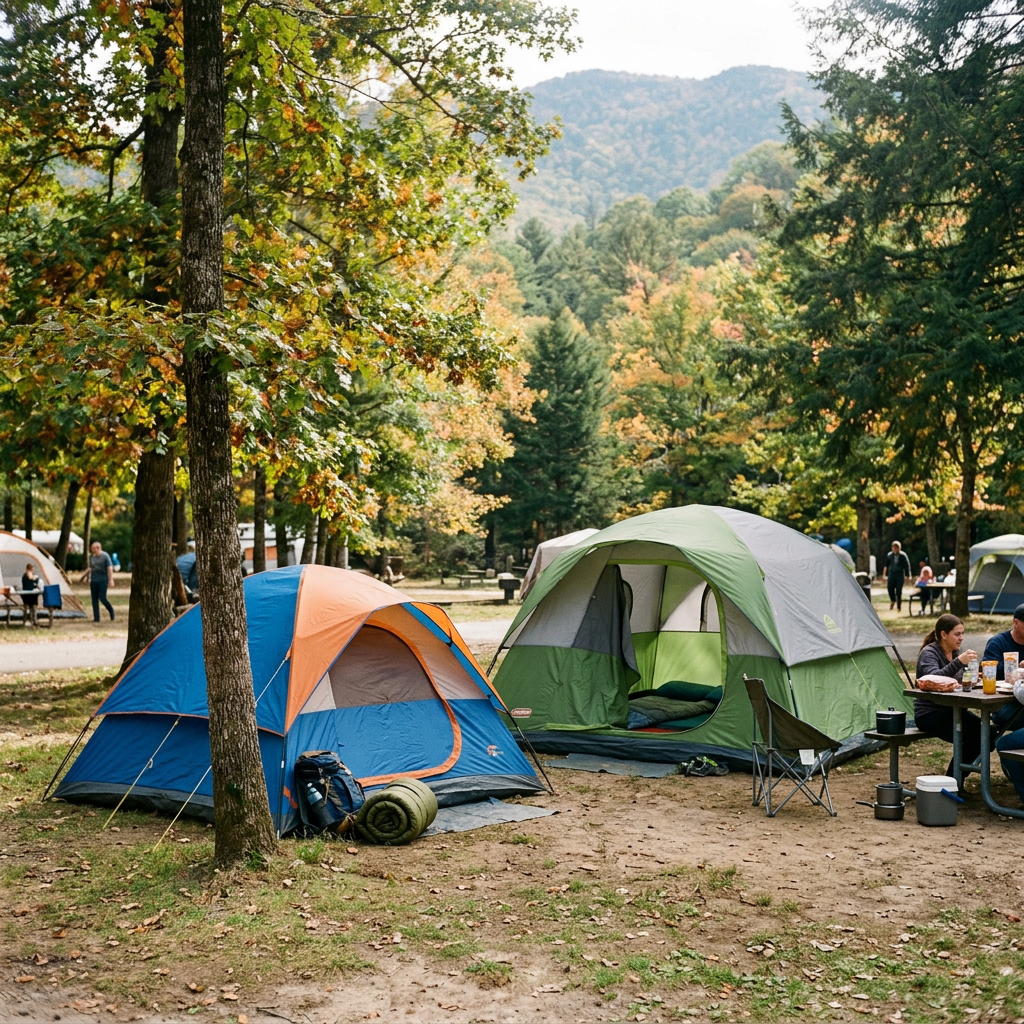
Camping is a great way to enjoy nature, spend time with family, and take a break from everyday routines. However, choosing the right tent can be challenging when you have a limited budget. You need a shelter that offers enough space, practical features, and suitable weather protection without spending more than necessary.
Finding the best budget camping tent is not simply about choosing the cheapest option. You should also consider sleeping capacity, tent materials, ventilation, ease of setup, packed weight, and how conveniently the tent can be carried and stored. A low-cost tent may work well for occasional summer camping but may not be suitable for heavy rain, strong winds, or demanding outdoor conditions.
In this guide, we look at five camping tent models worth comparing on Amazon: the Coleman Sundome, Amazon Basics Dome Tent, Wakeman Outdoors 2-Person Tent, Naturehike Cloud-Up 2, and Coleman Skydome. Each has a different potential use, from s
Quick Comparison: Best Budget Camping Tents
| Camping tent | Best suited for | Main consideration | Portability | Amazon link |
|---|---|---|---|---|
| Coleman Sundome | Casual camping and beginners | Simple dome-style shelter | Check packed weight for the selected size | [Insert verified Amazon affiliate link] |
| Amazon Basics Dome Tent | Budget-conscious beginners | Basic camping needs | Check model-specific dimensions and weight | [Insert verified Amazon affiliate link] |
| Wakeman Outdoors 2-Person Tent | Occasional camping and festivals | Compact, simple shelter | Check packed size and carry bag | [Insert verified Amazon affiliate link] |
| Naturehike Cloud-Up 2 | Campers prioritizing portability | Backpacking-oriented design | Compare packed weight and dimensions | [Insert verified Amazon affiliate link] |
| Coleman Skydome | Weekend camping and extra headroom | Roomier dome-style design | Compare capacity and packed weight | [Insert verified Amazon affiliate link] |
Important: This table is an initial comparison framework. Verify the exact Amazon listing, model, capacity, materials, packed weight, weather specifications, price, and availability before publishing. Prices and product variations can change.
imple weekend camping to trips where portability matters.
Our goal is to help you compare their practical strengths and limitations, understand what to check before purchasing, and choose an affordable tent that fits your camping needs.
How We Chose These Budget Camping Tents
For this guide, we created a shortlist of five camping tent models that cover different needs and budgets. Our selection criteria focus on the factors that matter most when buying an affordable tent, rather than price alone.
Value for money: We consider whether a tent’s listed features and intended use make it worth comparing with other affordable options. Actual prices should be checked on Amazon before a final recommendation is made.
Space and capacity: Advertised capacity is important, but buyers should also check floor dimensions, interior height, and whether there is enough room for sleeping bags and personal equipment.
Materials and weather protection: The tent fabric, poles, rainfly, seams, and stated water-resistance specifications can help buyers understand the product’s intended conditions. No tent should be described as suitable for severe weather without reliable supporting evidence.
Setup and portability: We consider the design, assembly requirements, packed weight, and storage bag because these affect how practical a tent is for weekend trips or backpacking.
Intended use: A tent suitable for car camping may be too bulky for a long hike. Our shortlist therefore includes options with different potential uses.
This article is based on product information that must be confirmed against the relevant Amazon listings before publication. We do not claim personal hands-on testing.
1. Coleman Sundome Camping Tent — A Simple Option for Casual Camping
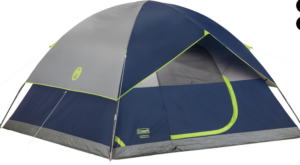
The Coleman Sundome is a dome-style camping tent worth considering if you want a straightforward shelter for weekend trips, campsites, or backyard camping. Its appeal is its practical design rather than an abundance of advanced features.
Coleman Sundome tents are sold in different capacities, so check the exact size before purchasing. A smaller model may suit a solo camper or couple, while a larger version may be more appropriate for a group. The product listing should also be checked for its rainfly, ventilation features, frame construction, and setup instructions.
This tent is best evaluated as an option for ordinary recreational camping, not as a substitute for specialized expedition equipment. Compare its packed weight, interior dimensions, and weather specifications against your needs before deciding whether it offers the right value.
Key Features
- Dome-shaped design: Check the listed design and dimensions to understand the usable interior space.
- Sleeping capacity: Confirm the exact model’s advertised capacity.
- Tent fabric: Check the specified fabric and construction.
- Frame and poles: Verify the pole material and assembly system.
- Rainfly: Confirm whether a rainfly is included and how much of the tent it covers.
- Floor construction: Check the floor material and any stated seam protection.
- Ventilation: Verify the number and location of windows, vents, or mesh panels.
- Entry and exit: Check the door arrangement and access space.
- Storage features: Confirm whether interior pockets or other storage features are included.
- Carry bag: Check the packed dimensions, weight, and supplied storage bag.
Pros
- Straightforward design: A conventional dome design can be approachable for first-time campers.
- Multiple size options: Available model variations may help buyers match tent capacity to their group.
- Recreational use: It is worth comparing for ordinary weekend camping.
- Manageable setup: Check the supplied instructions and pole system for assembly convenience.
- Ventilation potential: Mesh panels and vents, if present on the selected model, can support airflow.
- Rain protection options: A supplied rainfly and protected seams can be useful in suitable wet conditions.
- Organized interior: Built-in pockets, if included, can help keep small items accessible.
- Easy comparison: Its conventional design makes it relatively simple to compare with other dome tents.
Cons
- Capacity may feel tight: The advertised sleeping capacity may leave limited room for bags and other equipment.
- Not for every weather condition: Suitability for heavy rain or strong winds depends on the exact model and conditions.
Carrying Comfort, Storage, Materials and Portability
Before buying, compare the tent’s packed weight and dimensions with how far you intend to carry it. A tent transported directly from a car to a campsite has different portability requirements from one carried on a long hike.
Check the exact model’s fabric, pole construction, floor design, and rainfly details. If the listing includes interior pockets, these can help organize smaller items, although larger gear may still need to be stored elsewhere. Consider whether the packed tent fits your available vehicle or camping storage space.
Best For and Buying Recommendation
The Coleman Sundome is worth comparing if you want a conventional tent for casual camping and prefer a familiar dome-style design. Choose the capacity according to the number of people and the equipment you plan to bring. Before recommending it as the best-value option, confirm its current Amazon price and the specifications of the exact size.
2. Amazon Basics Dome Camping Tent — A Budget-Friendly Tent to Compare
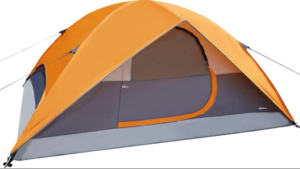
An Amazon Basics dome camping tent is another model to consider when researching affordable camping shelters. It may appeal to beginners who want a relatively simple design for occasional outdoor trips without paying for features they do not need.
Amazon Basics tent models and sizes can vary, so confirm the exact product listing before describing its capacity, materials, weight, or weather protection. Buyers should pay particular attention to the rainfly, floor construction, ventilation, and the space available for sleeping and storing equipment.
A lower purchase price can be attractive, but value depends on whether the tent suits your intended camping conditions. For a fair comparison, evaluate its listed specifications alongside other affordable models rather than assuming the lowest price represents the best overall choice.
Key Features
- Tent shape: Confirm the model’s dome design and overall dimensions.
- Sleeping capacity: Check the listed number of occupants.
- Main fabric: Verify the material and any stated coating.
- Poles: Confirm the frame material and pole arrangement.
- Rainfly: Check whether one is included and its coverage.
- Floor material: Review the stated floor construction.
- Ventilation panels: Verify the presence of mesh panels, windows, or vents.
- Door design: Check the number and arrangement of entrances.
- Interior organization: Confirm whether pockets or storage features are included.
- Packed dimensions: Verify the tent’s weight and carrying-bag dimensions.
Pros
- Budget comparison: It provides another option to evaluate against similarly sized tents.
- Simple shelter concept: A dome-style tent can suit basic recreational camping.
- Beginner consideration: It may be worth considering for someone purchasing a first tent.
- Capacity choice: Available sizes, if offered, can help match the tent to the camping group.
- Basic ventilation: Mesh features, if confirmed, can help air circulate.
- Rainfly option: A supplied rainfly can add protection in appropriate conditions.
- Portable storage: A carry bag, if included, can make packing and storage easier.
- Specification comparison: Its listed weight, dimensions, and materials can be compared directly with alternatives.
Cons
- Basic feature set: A budget model may lack the extra space or convenience features found on more expensive tents.
- Weather limitations: Do not assume it can handle heavy rain or strong winds without supporting specifications.
Carrying Comfort, Storage, Materials and Portability
Check the packed weight before deciding whether this tent is appropriate for backpacking. Even a compact tent can feel inconvenient when carried for several kilometres if it is heavier or bulkier than expected.
Review the listing for fabric details, pole materials, floor construction, and packed dimensions. Check the interior layout to see whether there is space for sleeping equipment and personal belongings. If the tent has no vestibule or limited interior pockets, you may need another solution for keeping muddy footwear and bags organized.
Best For and Buying Recommendation
Consider an Amazon Basics dome tent if you want to compare basic shelter options at a limited budget. It should only be recommended after confirming the exact model’s specifications and current price against comparable tents.
3. Wakeman Outdoors 2-Person Camping Tent — For Simple Outdoor Trips
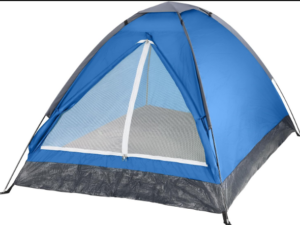
The Wakeman Outdoors 2-Person Camping Tent is a model to investigate if your priority is a simple shelter for occasional camping, outdoor events, or overnight trips. A two-person tent is generally designed around a smaller sleeping area than a family tent, so it is important to consider how much space you need for personal belongings.
Before buying, check the precise Wakeman model on Amazon. Confirm the dimensions, packed weight, pole design, fabric, rainfly arrangement, and whether the listing includes a carrying bag. These details help establish whether the tent is suitable for a campsite near your vehicle or for carrying farther on foot.
This type of tent may be appealing to budget-conscious buyers who value simplicity. However, its actual suitability for rain, wind, or frequent use should be judged from the listing’s specifications rather than the price or product name alone.
Key Features
- Two-person capacity: Confirm the advertised capacity and interior dimensions.
- Tent construction: Verify the listed tent shape and structural design.
- Fabric material: Check the stated material and any protective coating.
- Pole system: Confirm the pole material and assembly requirements.
- Rainfly arrangement: Check whether a rainfly is supplied.
- Floor construction: Verify the material and any stated water-resistance features.
- Ventilation: Check for mesh panels, windows, or other ventilation openings.
- Entry design: Confirm the door arrangement and access space.
- Storage arrangement: Check whether interior pockets or a vestibule are provided.
- Carry bag: Verify the included bag, packed weight, and packed dimensions.
Pros
- Compact sleeping arrangement: A two-person design can suit campers who need a smaller shelter.
- Potentially simple setup: Check the pole system to assess assembly complexity.
- Occasional-use option: It may be worth comparing for infrequent camping trips.
- Straightforward design: A simpler layout can be easier to understand for new campers.
- Carry-bag convenience: If supplied, the bag helps keep the tent together between trips.
- Budget comparison: It offers another model to compare against entry-level tents.
- Manageable campsite footprint: Smaller dimensions may help at sites with limited pitching space.
- Flexible recreational use: Depending on its specifications, it may suit camping, festivals, or backyard overnights.
Cons
- Limited storage space: Two occupants may have little room for bulky bags or additional equipment.
- Conditions must be checked: Weather protection and structural suitability depend on the exact model and conditions.
Carrying Comfort, Storage, Materials and Portability
For portability, compare the packed weight and dimensions with the distance you plan to carry the tent. Check whether the bag has a handle and whether the packed tent will fit into your existing camping kit.
Look at the actual fabric, pole materials, and floor construction before judging durability. For storage, consider the amount of room left after placing sleeping bags and mats inside. A two-person capacity label does not necessarily mean two adults will have comfortable space for all their equipment.
Best For and Buying Recommendation
The Wakeman Outdoors 2-Person Tent is worth comparing for occasional camping and simple overnight trips if its dimensions, materials, and weather features match your needs. Confirm the exact listing before deciding that it offers better value than the alternal
4. Naturehike Cloud-Up 2 — For Campers Who Prioritize Portability
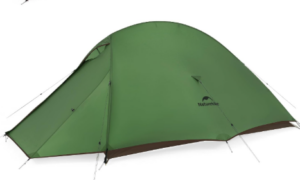
The Naturehike Cloud-Up 2 is a backpacking-oriented tent model to consider when carrying weight and packed size matter. Compared with a tent intended mainly for car camping, a backpacking design needs to fit more conveniently into a travel or hiking setup.
Buyers should verify the exact Cloud-Up 2 version on Amazon because specifications can differ by generation, fabric, pole material, and package. Check its packed weight, packed dimensions, included components, interior measurements, and stated weather protection. These details are particularly important when planning to carry the tent for long distances.
A tent designed for portability may involve compromises in interior space and comfort. Before buying, decide whether you value a smaller packed load more than extra headroom or room for bulky equipment. The right choice depends on your route, group size, and expected camping conditions.
Key Features
- Two-person design: Confirm the listed capacity and interior floor dimensions.
- Backpacking orientation: Check the manufacturer’s stated intended use.
- Tent fabric: Verify the material and any coating.
- Pole construction: Confirm the pole material for the selected version.
- Packed weight: Check the complete packed weight, including essential components.
- Packed dimensions: Verify how much space it takes up in a backpack.
- Rainfly: Confirm whether one is included and its coverage.
- Floor protection: Check the floor material and water-resistance specifications.
- Ventilation: Verify the number and location of mesh panels or vents.
- Included accessories: Confirm whether stakes, guylines, a carry bag, or a footprint are included.
Pros
- Portability-focused design: Its backpacking orientation makes packed weight an important comparison point.
- Compact packing potential: Check the actual packed dimensions against your backpack.
- Two-person layout: The capacity may suit solo campers wanting extra room or two campers travelling light.
- Outdoor-trip suitability: It is worth considering for trips where equipment must be carried.
- Material choices: The exact version’s fabric and pole construction can be compared with other backpacking tents.
- Weather specifications: Published water-resistance details, if provided, can help you compare suitable conditions.
- Equipment planning: A clearly listed packed weight helps with planning a hiking load.
- Specialized use: It may be more appropriate for portable camping than a large family cabin tent.
Cons
- Space trade-off: A backpacking-oriented tent may provide less interior room than a larger car-camping model.
- Version differences: Materials, weight, and included accessories can vary, so the wrong listing or model may lead to a misleading comparison.
Carrying Comfort, Storage, Materials and Portability
Packed weight and dimensions are especially important for this tent. Confirm whether the listed weight includes the poles, stakes, rainfly, and carry bag, and check whether any additional footprint is sold separately.
Review the materials and stated weather protection for the exact version. Consider the available interior space for two sleeping systems and essential gear. A compact tent can make transport easier but may require you to keep larger packs in a vestibule or outside the sleeping area if the design allows.
Best For and Buying Recommendation
Consider the Naturehike Cloud-Up 2 if portability is a priority and you are prepared to compare packed weight, interior space, and weather specifications carefully. Confirm the exact version and current Amazon price before deciding whether it fits your budget.
5. Coleman Skydome Camping Tent — For Campers Who Want More Headroom
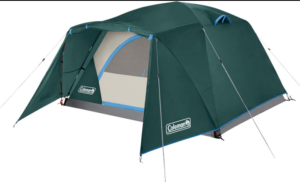
The Coleman Skydome is another dome-style camping tent to compare, particularly if you want to assess interior space and ease of entry alongside price. Skydome models are available in different sizes, so the exact capacity and specifications must be checked before making a recommendation.
When comparing this tent, look at the interior height, floor dimensions, pole arrangement, rainfly, ventilation, and packed weight. These specifications can help determine whether the tent suits couples, small groups, or family car camping. Do not assume that all Skydome variations share the same construction or features.
A roomier tent may make time at the campsite more comfortable, but extra space can also mean a larger packed load. The key is to find a balance between usable interior room and the amount of equipment you can conveniently transport.
Key Features
- Dome-style construction: Confirm the shape and structural design of the selected model.
- Capacity options: Check the advertised capacity of the exact size.
- Interior height: Verify the stated centre height and assess its practical usefulness.
- Floor dimensions: Check the floor measurements and sleeping layout.
- Tent fabric: Confirm the listed materials and coatings.
- Pole system: Verify the frame construction and assembly design.
- Rainfly: Check the included rainfly and its coverage.
- Ventilation: Confirm the listed windows, mesh panels, and vents.
- Entry arrangement: Check the number and position of doors.
- Packed weight: Verify the total weight and storage-bag dimensions.
Pros
- Space comparison: Its available sizes can be compared against other dome tents.
- Potentially useful headroom: The actual interior height helps buyers judge comfort.
- Different capacity options: Check whether a size matches your group and equipment.
- Weekend camping suitability: It may suit trips where the tent is transported by vehicle.
- Ventilation options: Confirmed mesh panels and vents can support airflow.
- Weather features: The exact rainfly and floor specifications help buyers evaluate protection.
- Familiar design: Dome construction is a common format among recreational tents.
- Balanced buying choice: It can be compared with smaller budget tents to assess the value of additional space.
Cons
- Packed size and weight: A larger model can be less convenient to carry than a small backpacking tent.
- Model-specific differences: Capacity, dimensions, and features vary, so the exact listing must be checked.
Carrying Comfort, Storage, Materials and Portability
Start by checking the packed weight and bag dimensions. A larger Skydome model may be easier to use for car camping than for a long hike, depending on the weight and packing size of the selected version.
The floor dimensions and interior height help you understand how comfortably occupants and their gear may fit. Verify the tent fabric, pole material, rainfly coverage, and ventilation details on Amazon rather than assuming all versions have identical specifications. If storage pockets or other organizing features are included, assess whether they provide enough room for small personal items.
Best For and Buying Recommendation
The Coleman Skydome is worth comparing if interior space and headroom matter more to you than achieving the smallest possible packed size. Choose the capacity based on your actual group and equipment, and compare the verified price and specifications with other budget options.
How to Choose the Best Budget Camping Tent
Choosing the best budget camping tent means finding a balance between affordability, comfort, portability, and protection. Before purchasing, consider the following factors.
1. Set a Realistic Budget
Decide how much you want to spend, then compare tents within that range. Remember to consider additional equipment such as a groundsheet, sleeping mat, and suitable pegs if these are not included. The cheapest tent is not always the best value if it lacks features you need.
2. Choose the Right Capacity
Check the manufacturer’s stated sleeping capacity and floor dimensions. A tent advertised for two people may have limited room for two adults and their bags. If you want extra space, compare a larger capacity, but remember that a larger tent may weigh more and take up more storage space.
3. Check the Materials
Review the fabric, pole construction, floor material, and seams. These details can help you compare the tent’s construction, but material names alone do not guarantee durability. Consider the intended use and the manufacturer’s care instructions.
4. Understand Weather Protection
Check whether the tent includes a rainfly and look for any published water-resistance rating. Floor construction, seam protection, ventilation, and rainfly coverage also matter. Do not assume a budget tent is suitable for severe weather simply because the listing uses terms such as “water-resistant” or “all-weather.”
5. Consider Weight and Portability
For car camping, packed weight may be less important than interior space. For backpacking, a heavy or bulky tent can become uncomfortable to carry. Compare the complete packed weight and dimensions, including poles and other essential components.
6. Look at Setup and Storage
Check the assembly instructions, pole system, and number of people recommended for pitching the tent. Consider whether the packed tent will fit your vehicle, backpack, or home storage space. Interior pockets and vestibules, when included, can help keep personal equipment organized.
7. Compare the Total Value
Compare the exact Amazon listings for the five tents rather than relying on a fixed price from an older article. Prices, availability, and product variations can change. Check the specifications and included accessories before purchasing.
Final tip: Choose a tent that matches the camping conditions you expect to encounter. For occasional fair-weather trips, a basic design may be sufficient. For backpacking, frequent use, or more demanding conditions, pay closer attention to packed weight, construction, and verified weather specifications.
Frequently Asked Questions About Budget Camping Tents
1. What is the best budget camping tent for beginners?
The best option depends on your budget, group size, and camping plans. Beginners who mainly camp near their vehicles may prefer a simple dome tent, while hikers should prioritize packed weight and dimensions. Compare the exact Amazon listings and choose a model that suits your intended conditions.
2. How much should I spend on a budget camping tent?
Your budget depends on the tent’s capacity, materials, construction, and intended use. Compare current Amazon prices rather than relying on outdated figures. Also allow for accessories that may not be included, such as a groundsheet or additional stakes.
3. Are inexpensive camping tents suitable for rain?
Some budget tents provide rain protection for suitable camping conditions, but performance varies by model. Check the rainfly coverage, floor construction, seams, and any published water-resistance rating. Do not assume that an inexpensive tent can withstand prolonged heavy rain or strong winds.
4. What size camping tent should I buy?
Choose a capacity based on the number of occupants and the amount of equipment you need inside. If you want extra space for bags or more comfortable sleeping arrangements, consider comparing a larger model. Always check the actual floor dimensions rather than relying only on the advertised capacity.
5. What should I look for when buying an affordable camping tent?
Focus on usable space, fabric and pole materials, weather protection, ventilation, setup convenience, packed weight, and included accessories. Compare these specifications with the price and your intended use. A suitable tent should meet your actual needs without requiring you to pay for unnecessary features.
Final Verdict: Which Budget Camping Tent Should You Consider?
Finding the best budget camping tent requires more than comparing prices. You should consider how much space you need, the weather conditions you expect, how often you camp, and whether you will carry the tent on foot or transport it by car.
The Coleman Sundome and Coleman Skydome are worth comparing for recreational camping, while the Amazon Basics and Wakeman Outdoors models provide additional options to investigate when looking for a simple, affordable shelter. The Naturehike Cloud-Up 2 deserves consideration if portability is a major priority.
However, the right choice depends on the exact model, its verified specifications, and its current Amazon price. Before buying, check the packed weight, sleeping dimensions, materials, rainfly, ventilation, and included accessories. These details will help you avoid paying for a tent that does not suit your camping style.
At Outdoors Gear Guide, our aim is to help you make informed outdoor gear decisions without unnecessary spending. Compare the five products carefully, check their latest Amazon listings, and choose the tent that offers the best balance of price, comfort, and practical features for your next adventure.
Explore more camping tips and gear guides at https://outdoorsgearguide.com.
Affiliate Disclosure
Outdoors Gear Guide may earn a commission from qualifying purchases made through affiliate links, at no additional cost to you. As an Amazon Associate, we earn from qualifying purchases, provided the website participates in the Amazon Associates Program. Product prices, availability, specifications, and product variations may change. Please check the current Amazon listing before purchasing.
Our goal is to provide helpful, accurate information so readers can compare camping products and make informed buying decisions.