
Introduction
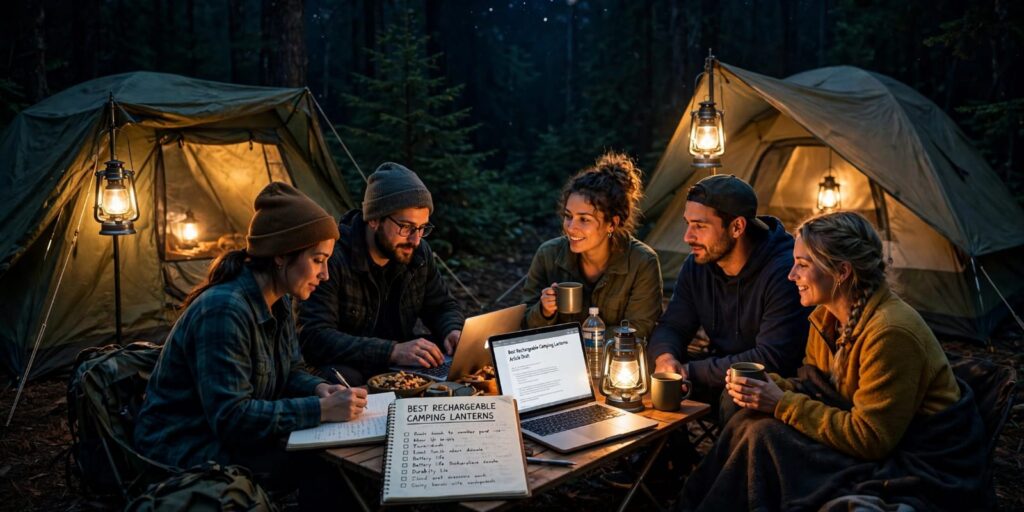
A reliable camping lantern can make a big difference when you’re cooking at a campsite, organizing your tent, or relaxing outdoors after sunset. Rechargeable lanterns are especially convenient because you can charge them before your trip instead of constantly replacing disposable batteries.
In this guide, we’ll explore five rechargeable camping lanterns worth considering: the BioLite AlpenGlow 500, Coleman Classic Rechargeable 800L, LuminAID PackLite Max 2-in-1, Fenix CL26R Pro, and Black Diamond Moji R+.
We’ll compare brightness, portability, charging options, battery life, and practical features to help you choose a lantern that suits your camping style and budget.
Product specifications, prices, and availability may change. Check the current product listing before purchasing.
Quick Comparison: Top Rechargeable Camping Lanterns
| Camping Lantern | Best For | Key Feature |
|---|---|---|
| BioLite AlpenGlow 500 | General camping | 500 lumens and multiple lighting modes |
| Coleman Classic Rechargeable 800L | Bright campsite lighting | Up to 800 lumens |
| LuminAID PackLite Max 2-in-1 | Lightweight camping | Collapsible design and solar charging |
| Fenix CL26R Pro | Outdoor trips in changeable weather | USB-C charging and rugged water resistance |
| Black Diamond Moji R+ | Compact camping setups | Lightweight design and soft ambient lighting |
Quick recommendation: Choose the Coleman for higher maximum brightness, the BioLite for versatile lighting, the LuminAID for compact storage, the Fenix for weather-resistant outdoor use, or the Black Diamond for a small lantern.
These models have different strengths, so compare the current model specifications and charging requirements before deciding.
How We Chose the Best Rechargeable Camping Lanterns
To prepare this guide, we compared published product specifications and independent outdoor gear reviews. We focused on features that matter during camping trips rather than selecting lanterns based on brightness alone.
Our main considerations included:
- Brightness: How much light the lantern can provide for a tent, picnic table, or campsite.
- Battery life: Whether it offers useful lower-brightness settings for longer evenings.
- Charging options: USB charging, USB-C, solar charging, or other backup methods where supported.
- Portability: Size, weight, and ease of packing.
- Durability: Resistance to water and everyday outdoor use.
- Extra features: Dimming, different light colors, hanging options, and phone-charging capability.
We also considered whether each lantern suits car camping, backpacking, or general outdoor use.
This is a research-based comparison, not a hands-on test of every product. Always verify the exact model and its current specifications before purchasing.
1. BioLite AlpenGlow 500 — Best for Versatile Camping Lighting
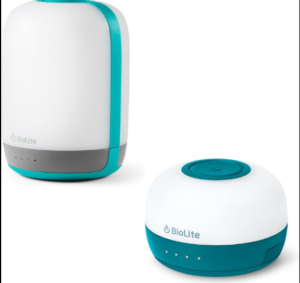
The BioLite AlpenGlow 500 is a rechargeable lantern designed for campers who want useful task lighting and a comfortable atmosphere around camp. Its frosted globe spreads light around the area, while its multiple lighting modes make it suitable for cooking, reading, and relaxing.
Key features
- Maximum brightness: 500 lumens
- Rechargeable battery
- Multiple white-light and multicolor modes
- Dimmable lighting
- USB output for compatible device charging
- IPX4 water resistance
Pros
- Versatile lighting modes for different situations
- Soft, diffused light for use around a campsite
- Can provide backup power for compatible small devices
- Useful balance of brightness and portability
Cons
- More expensive than many basic camping lanterns
- Uses Micro-USB charging, so check cable compatibility
Who should buy it?
The BioLite AlpenGlow 500 is worth considering if you want a multipurpose lantern for car camping, outdoor dining, and relaxing in the evening.
Our verdict: A versatile option for campers who value adjustable lighting and extra features.
2. Coleman Classic Rechargeable 800L — Best for Bright Campsite Lighting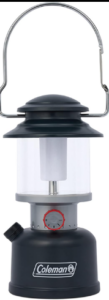
Key features
- Maximum brightness: 800 lumens
- Built-in rechargeable lithium-ion battery
- Multiple brightness settings
- USB-C charging input on the listed model
- USB output for compatible devices
- IPX4 water resistance
- Published impact resistance up to 1 metre
Pros
- High maximum brightness for campsite tasks
- Adjustable output helps balance brightness and battery life
- Can provide backup charging for compatible devices
- Designed for practical outdoor use
Cons
- Heavier than compact backpacking lanterns
- High brightness can drain the battery more quickly
- Built-in battery charging requires planning before longer trips
Who should buy it?
Consider this Coleman if you’re car camping, setting up a family campsite, or looking for a bright light for outdoor cooking and evening activities.
Our verdict: A practical choice when illuminating a larger area is more important than minimizing pack weight.
3. LuminAID PackLite Max 2-in-1 — Best for Compact Packing
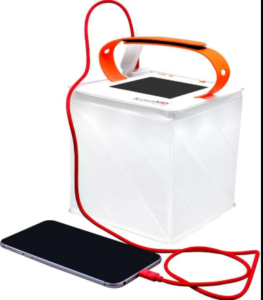
The LuminAID PackLite Max 2-in-1 is a collapsible camping lantern intended for people who value portability. Its compact form makes it convenient to pack for outdoor adventures where luggage space is limited.
Key features
- Published maximum brightness: 150 lumens
- USB and solar charging
- Collapsible, lightweight construction
- Diffused light around the lantern
- Multiple brightness settings
- USB output for compatible device charging
Pros
- Packs down for easier storage
- Lightweight compared with many larger lanterns
- Offers solar charging as an alternative to USB
- Suitable for tent lighting and general campsite use
Cons
- Lower maximum brightness than the Coleman 800L
- Solar charging depends on available sunlight
- Offers fewer advanced lighting modes than some premium models
Who should buy it?
This lantern is worth considering for backpackers, casual campers, and travelers who want a compact light that can be recharged in more than one way.
Our verdict: A convenient option when portability and flexible charging matter more than maximum brightness.
4. Fenix CL26R Pro — Best for Weather-Resistant Outdoor Use
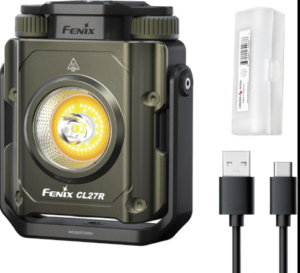
The Fenix CL26R Pro is a rechargeable lantern for campers who need a versatile light in changing outdoor conditions. Its USB-C charging and published IP66 protection rating make it a model to consider for trips where exposure to rain and splashing water is a concern.
Key features
- Published maximum brightness: up to 650 lumens
- Rechargeable battery
- USB-C charging
- Multiple white and red lighting modes
- Published IP66 dust and water protection
- Compact design for outdoor use
Pros
- Useful brightness for a compact lantern
- USB-C charging
- Strong published dust and water protection
- Multiple lighting modes for different situations
Cons
- May cost more than entry-level lanterns
- Maximum brightness and runtime depend on the selected mode
- Battery charging and replacement arrangements should be checked before purchase
Who should buy it?
Consider the Fenix CL26R Pro if you camp in variable weather and want a compact lantern with more extensive weather protection than a basic splash-resistant model.
Our verdict: A strong candidate for campers who prioritize weather protection and flexible lighting.
5. Black Diamond Moji R+ — Best Compact Lantern
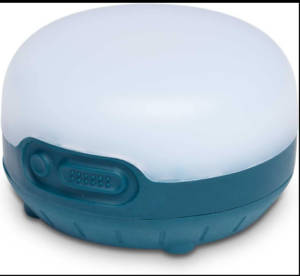
The Black Diamond Moji R+ is a small rechargeable lantern suited to campers who want simple, portable lighting without carrying a large unit. Its frosted cover creates softer light, and its hanging features make it useful inside a tent or around a small campsite.
Key features
- Maximum brightness: 200 lumens
- Rechargeable lithium-ion battery
- Dimmable lighting
- Multiple light settings, including colored options
- Hanging loops and magnetic attachment points
- Compact, lightweight design
Pros
- Easy to pack for lightweight trips
- Soft light for tents and small camping areas
- Convenient hanging and attachment options
- Useful for reading and nearby tasks
Cons
- Less bright than larger campsite lanterns
- Not the best choice for illuminating a large area by itself
- Small size means you should plan battery use for longer trips
Who should buy it?
The Moji R+ is worth considering for backpackers, solo campers, and anyone who needs a small lantern for a tent or personal camping space.
Our verdict: A compact option for close-range lighting when size and weight are priorities.
How to Choose a Rechargeable Camping Lantern
Before buying a camping lantern, think about where you’ll use it and how long you need it to last.
1. Compare brightness
Brightness is measured in lumens. A compact lantern may be sufficient for a tent, while a brighter model can be more useful for cooking or lighting a shared campsite.
2. Check battery life
Manufacturers often report different runtimes for high and low settings. Compare the runtime at the brightness you expect to use, not just the biggest number on the packaging.
3. Choose a convenient charging method
USB-C or USB charging is useful when you have access to a power bank or car charger. Solar charging can provide another option, but its effectiveness depends on sunlight and conditions.
4. Consider weight and storage
If you carry your equipment in a backpack, a lightweight or collapsible lantern may be preferable. For car camping, a larger lantern may be easier to transport.
5. Look at water resistance
Check the lantern’s IP rating and the manufacturer’s guidance. Water resistance varies between models, and charging ports should be kept protected during wet weather.
6. Decide which extra features matter
Dimming, red-light modes, hanging hooks, and USB device charging can be useful, but extra features may increase the price.
Buying tip: Compare the current product listing, warranty, battery information, and return policy before purchasing.
Frequently Asked Questions
1. What is the best rechargeable camping lantern?
The best choice depends on your needs. The BioLite AlpenGlow 500 offers versatile lighting, the Coleman Classic Rechargeable 800L provides higher maximum brightness, and the LuminAID PackLite Max 2-in-1 emphasizes portability.
2. How many lumens do I need for camping?
A lower-output lantern can work well inside a tent or for personal use. Higher outputs are generally more useful for cooking areas and larger campsites. Adjustable brightness gives you more flexibility.
3. Are rechargeable camping lanterns better than battery-powered lanterns?
Rechargeable models can reduce the need for disposable batteries and can be convenient when you have access to charging. Traditional battery-powered models may be useful when you cannot recharge for several days. Your camping style determines which is better.
4. Can a camping lantern charge a phone?
Some models include USB output for compatible devices. Check the product specifications, and remember that charging a phone uses stored lantern battery power.
5. Are rechargeable camping lanterns waterproof?
Not all of them are. Check the product’s IP rating and manufacturer’s instructions. Water-resistant does not automatically mean suitable for submersion, and charging ports need particular care.
Final Verdict: Which Rechargeable Camping Lantern Should You Choose?
The best rechargeable camping lantern depends on your priorities.
- Best for versatile lighting: BioLite AlpenGlow 500
- Best for bright campsite lighting: Coleman Classic Rechargeable 800L
- Best for compact storage: LuminAID PackLite Max 2-in-1
- Best for weather protection: Fenix CL26R Pro
- Best compact personal lantern: Black Diamond Moji R+
Before you buy, compare current prices, battery life, brightness, charging methods, and warranty information. A lantern that suits your camping style is often a better purchase than simply choosing the model with the highest lumen rating.
Explore more camping equipment reviews and outdoor buying guides at Outdoors Gear Guide.
Website: https://outdoorsgearguide.com
Affiliate Disclosure
Outdoors Gear Guide may participate in the Amazon Associates program and earn commissions from qualifying purchases made through affiliate links, at no additional cost to you.
Our aim is to provide helpful product information so readers can compare outdoor gear and make informed buying decisions. Product specifications, prices, and availability can change, so please confirm the details on the retailer’s website before making a purchase.